Style & tips · · 1 min read
Natural fabric clothing for kids: a parent’s guide
Cotton, linen, rayon, broderie anglaise and tweed: how they differ, why natural fabrics are better for children and how to read the label.
Children’s skin is thinner than adults’ and more sensitive to friction, overheating and harsh dyes. That makes fabric one of the most important things to check. Here’s which natural fabrics for kids’ clothing work best and why.
Why natural fabrics are better
- Breathability — less sweating.
- Moisture absorption — moisture is wicked away, not trapped.
- Fewer allergies — natural fibres irritate less.
- No static — clothes don’t cling.
The main fabrics
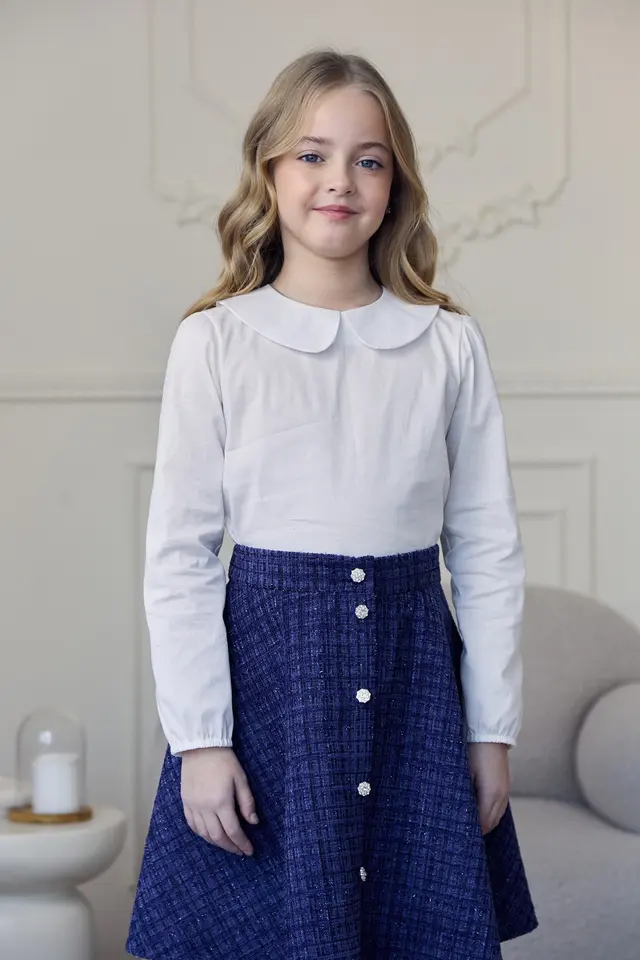
Cotton — the everyday all-rounder for blouses, pyjamas and dresses. We use it for our blouses and pyjamas.
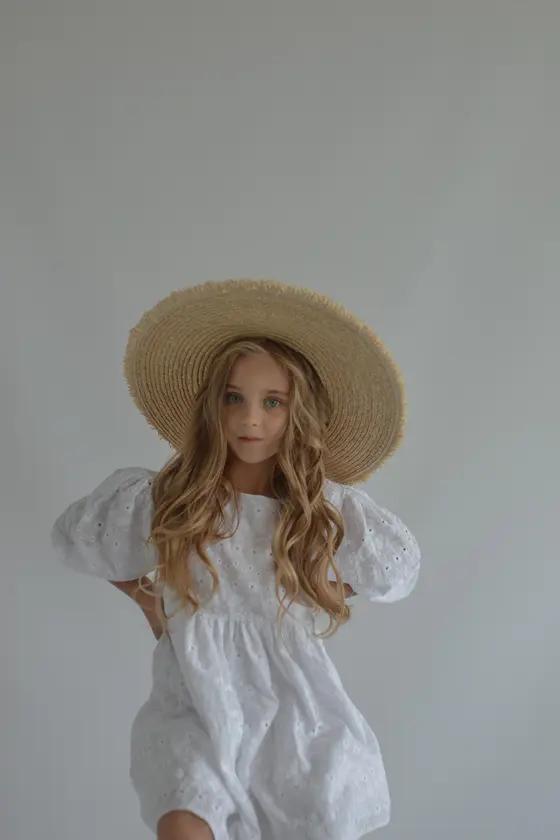
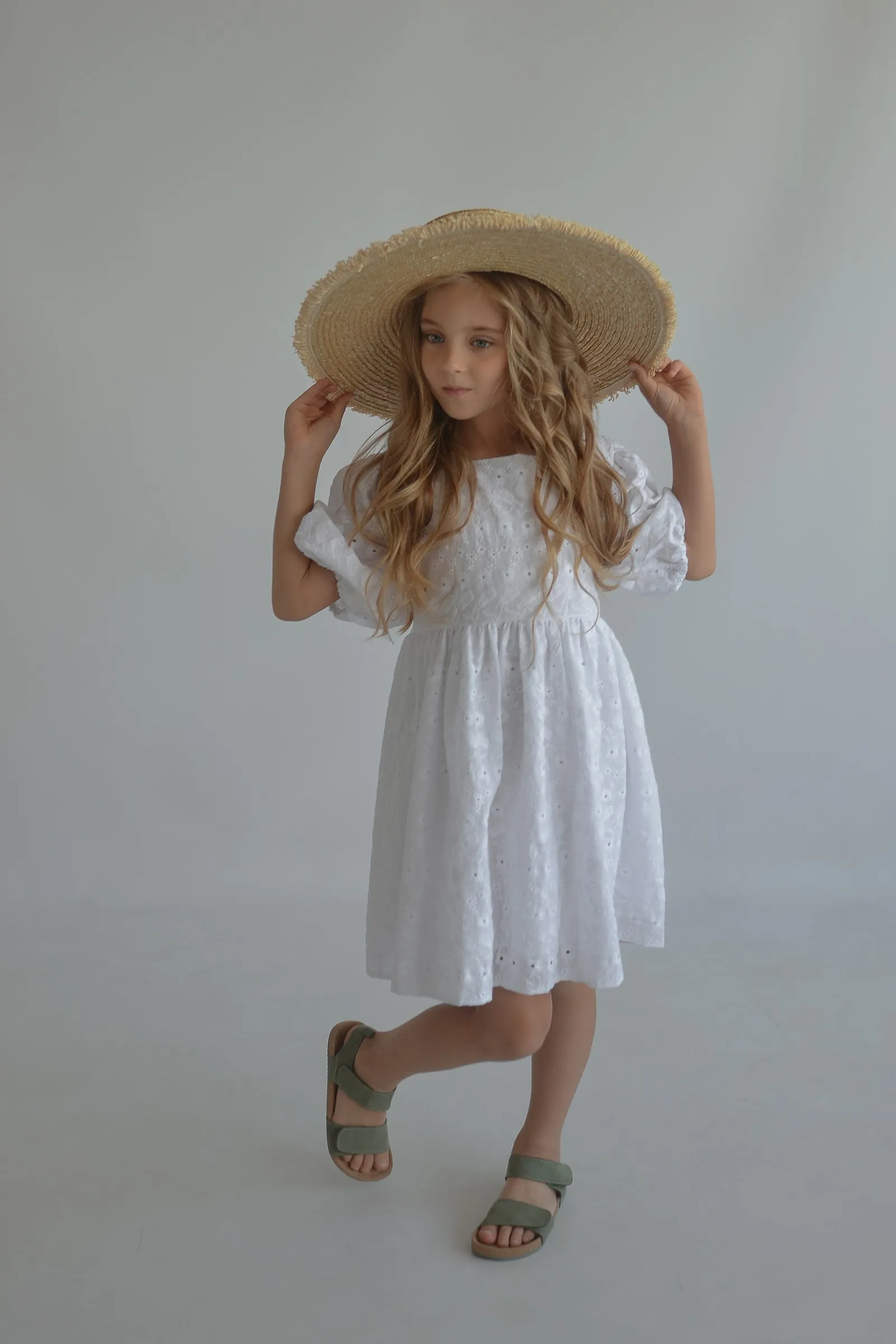
Broderie anglaise — cotton with eyelet embroidery: light and festive. Read more in our broderie anglaise guide.
Rayon (staple) — a soft viscose fabric, often blended with cotton. Cool in the heat and drapes beautifully — great for summer dresses.
Linen — the coolest fabric for hot weather, but it creases; works well blended with cotton.
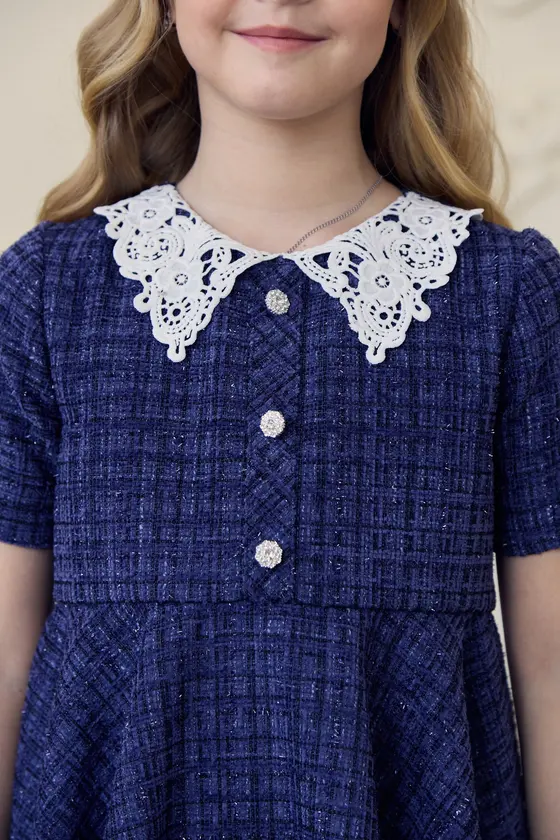
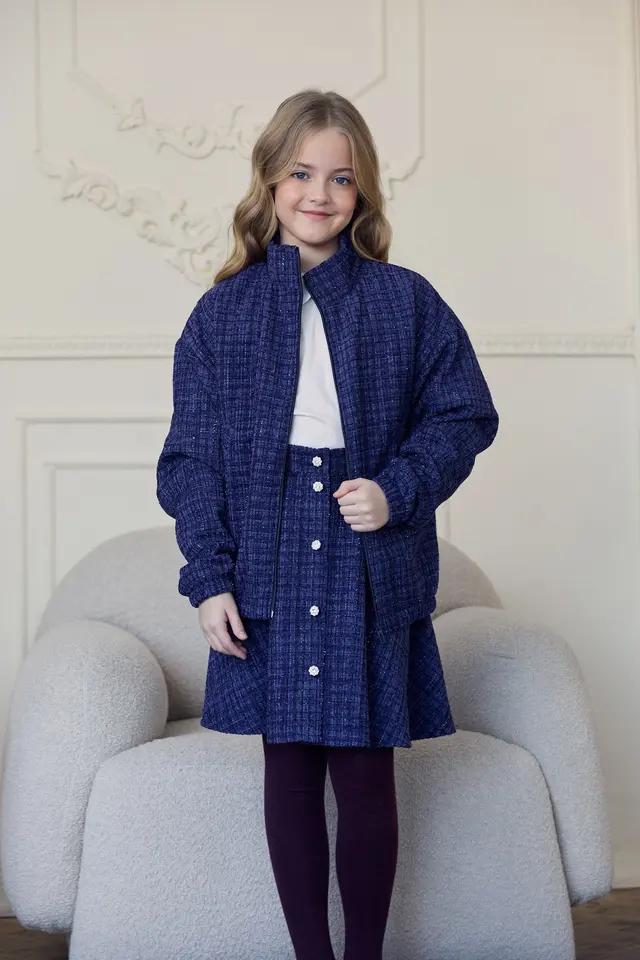
Tweed — a dense wool fabric (often with a little polyester for softness). Warm and structured — for autumn, winter and parties. See the tweed collection.
Brushed cotton (flannel) — soft and warm, perfect for pyjamas.
How to read the label
- “100% cotton” is the simplest, safest everyday choice.
- Viscose is a cellulose-based fibre that behaves almost like a natural one.
- A small share of polyester in tweed is fine — it adds durability.
- Avoid 100% polyester for everyday summer wear.
What else matters
Soft seams, smooth buttons, covered zips, no harsh chemical smell — and always wash new clothes before wearing.
BEREZA&CO only uses fabrics we would choose for our own children. Care instructions for each are on our garment care page.